|
Each
year we rotate the order in which the three groups appear.
Last year it was the Domain Brokers. This
year Corporate Executives are up
to bat first. In each group the commentators are
shown in alphabetical order by first name. Now
that the runners are in the blocks it's time to
fire the starter's pistol!
Corporate
Executives
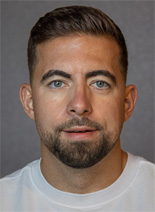
Alan
Shiflett
General
Manager, Domain Aftermarket & Specialty
Brands
GoDaddy.com
Throughout
his 16 years at GoDaddy, Alan Shiflett
has risen through the ranks, compiling a track
record that led the role he just assumed as the
leader of the industry giant's aftermarket sales
platforms. Alan has grown marketplaces, launched
AI agents, and built products used by millions.
Alan believes the future belongs to people and
companies that use AI to create better
human experiences.
|
2025
was unequivocally defined by AI. We saw
this most visibly in the explosion of
.ai domains, but the impact went
much deeper. Massive influxes of funding
into the AI sector drove high-value
sales across the board,
fundamentally resetting expectations for
ultra-premium inventory.
In
the aftermarket, we responded to this
capital surge by focusing on high-value,
category-defining domains with the
launch of DomainNames.com
and other initiatives. As AI companies
sought to establish immediate authority,
these assets became not just digital
real estate but essential brand
anchors, driving blockbuster deals
across the industry.
In
2026, I expect the AI trend to mature
and expand. We are looking at a
bifurcation of the market:
The
High End: AI capital will continue
to rise, moving beyond pure tech plays
into other sectors. This will make
category-defining domains the safest and
most lucrative bet for long-term value.
|
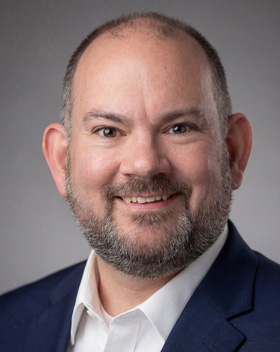
Alan
Shiflett |
|
The
Solopreneur Surge: As AI displaces
traditional roles, we will see a wave of
AI-native small businesses and
solopreneurs. This creates a massive
opportunity for brandable domains and
non-traditional TLDs, as these new
entrants look to stand out while keeping
capital expenditures low.
In
either case, the challenge will be ensuring
inventory is discoverable at the
precise moment of intent and represented
in a way that secures the trust needed
to close the transaction. Whether it be
DomainNames.com for reaching the
high-end buyers, getting your brandable
domains in front of more buyers with the
expanding GoDaddy Afternic
Network, or ensuring agents can acquire
your domain, we are excited for the
opportunities to help drive more sales.
Finally,
the most critical industry event of 2026
will be the opening of the next gTLD
application round. While the new
extensions themselves won't go live
until 2027 or later, the application
phase in 2026 will be a watershed
moment. I anticipate significantly
higher interest than the previous round,
and the capital committed during this
window will reshape the industry
landscape long before the first new
domain is actually registered. |
David
Warmuz
CEO
at Trillion.com
(Trellian), Above.com,
Drop.com.au, Help.com
Trillion
Founder
David Warmuz will be celebrating the
company's 29th anniversary this year. David, who
serves as CEO of both Trillion and its popular
domain monetization, aftermarket and brokerage
platform, Above.com, launched Trillion
(originally named Trellian) with his late
brother Ren and their remarkable journey was
detailed in a November 2017 DNJournal Cover
Story.
|
For
the Domain Monetization Industry:
The most notable trend was the response
to declining parking revenues,
which led to a search for new
monetization solutions and
diversification.
The whole industry saw rapidly
decreasing parking revenues due to
policy changes to Google's Adsense
for Domains (AFD) where changes to
the parked page template, making it less
click-friendly resulting in a 60%
drop in revenues. The second policy
changes that auto opted out advertisers
ads showing on Google based parked
pages, resulted in a further 95% drop
in revenues. The final nail was the
announcement that AFD is being shut down
in February 2026, meaning that there is
a huge need for something else to
take its place.
Most
of the industry talk is around RSOC
(Related Search on Content) which is
seen as a possible solution for domain
traffic to replace AFD. A key feature of
RSOC is that it avoids the issue of
advertisers being automatically opted
out, allowing domains to access the
full spectrum of advertiser width again
as it is using Google Search results and
not Adsense result. Keep in mind that
RSOC is just one part of a diverse set
of solutions needed to maximize the
return on domain traffic. |
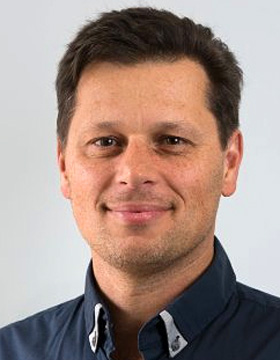
David
Warmuz |
|
For
the Domain Monetization Industry in 2026,
Innovation and diversification is key.
It has been made clear that the days
where you can rely on just one solution
is inherently flawed and comes with the
real risk of being shut down with little
notice. Companies like Above.com
that has for the last 20 years been
innovating and diversifying are the true
winner here. While AFD only clients
revenues have dropped to almost zero,
Above clients were able to maintain a
steady revenue stream, thanks to
Direct Advertiser demand, other
search solutions like Yahoo, email/mx
monetization, affiliate and CPA deals,
data enrichment and retargeting
solutions, plus many others.
While direct to advertiser is one of our
key solutions, the demand is there for
domain traffic, it does come with
risk. Above and Trillion are the
only WHITE HAT solution in
this space, we do not work with
Arbitrage players and make sure that the
domains on our platform deliver quality
traffic, we filter out more traffic than
we actually send to advertisers, making
sure that our Advertisers only get good
quality traffic. While on the reverse we
are the only platform that has both Ad
Feeds and a self serve ad platform for
advertisers to buy domain traffic.
Shocking fact: we decline, reject and
terminate more advertisers than we
accept, as unfortunately there are
many bad advertisers that try to serve
malicious ads, which in turn damages
domains. If anyone is boasting that they
work with hundreds of Feeds, you know
that they are Black Hat and they
sacrifice domains over revenues. There
are only a handful of Feeds that we
classify as safe, the rest do not have
the systems in place to stop bad
advertisers getting in. Surprises me
that some do not care, damaging the
entire domain industry and risking
clients valuable domain assets.
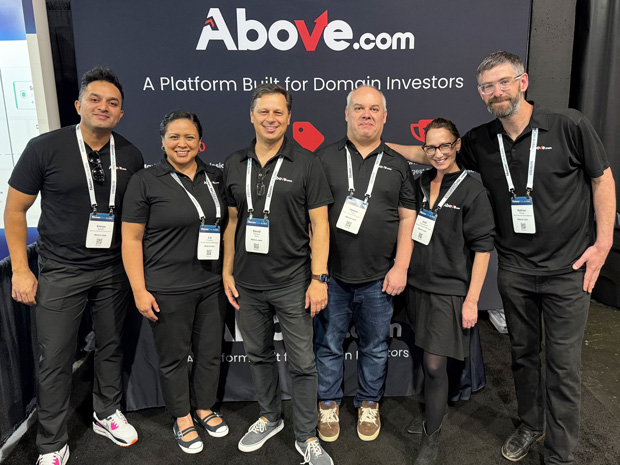
The
Above.com team at the 2025
NamesCon Global conference in Miami
November 6th. Left to right are Simon
Saleem, Liz Corona, CEO
and Co-Founder David Warmuz,
James Tuplin, Jodi
Chamberlain and Nathan Parker.
Even
though zero click can generate
great returns, there is still a need for a
traditional style landing page where you
can include a domain for sale link,
this is where RSOC comes in. We are
investing substantially into a full blown
RSCO solution for domains, as we
understand client needs creating a
solution that generates revenues but also
enables for sale links. We understand that
selling domains for some investors
is more important, so having a solution
that covers that is critical. RSCO lets
you do this, you can send your for sale
leads to any marketplace of your choice
and still make revenues.
The biggest challenge with RSOC is scale
and reporting, as there are
limitations to this, but Above clients
receive domain level reporting. A key
distinction to anyone else offering RSOC.
We anticipate that 2026 will be a huge
year for RSOC and Above, so if you want to
talk about monetization or get your
account ready for RSOC, just reach out to
your Above account manager.
|
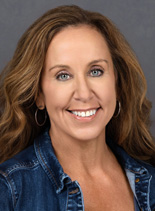
Karen
Bernstein
Managing
Partner, Bernstein
IP
For
almost 20 years now, Intellectual Property
Attorney Karen Bernstein has been one of
the top attorneys representing clients both
transactionally and in litigation matters on
patent, trademark, copyright, trade secrets,
Internet, First Amendment, defamation, and right
of publicity matters. Karen
is a twice elected Director of the Board of the
International Cannabis Bar association, a member
of INTA, the Intellectual Property
Constituency at ICANN, and the New York
State Bar Association's
|

Karen
Bernstein |
Cannabis
Law Section. She has been featured by major
news outlets such as Forbes, Yahoo! Finance,
The PBS Nightly Business Report and the Fox
US nationally syndicated talk radio show,
The Leslie Marshall Show.
Artificial
Intelligence has inundated our lives
over the past year, including in the domain
industry. Domain investors are using it to
register domain names, and tech companies
are using it to offer domain investors
innovative monetization solutions. AI
is getting smarter and is not going away.
Web
3 is another technology that has
exploded and will continue to explode.
I anticipate that more and more
domain name investors will be registering
and financing/fractionalizing tokenized
domain names in the blockchain.
I’ve been studying the Web 3/domain
tokenization space for the past three years,
and I look forward to continuing
to find innovative ways to legally protect
all players in the Web 3 space.
|
|
Michael
Robrock
CEO,
Sedo.com
Now
in his 6th year as the CEO of one of the
industry's oldest and most popular
domain sales platforms in Sedo, Michael
Robrock is a successful, Internationally
experienced CEO and Advisor with a
strong track record in scaling and
transforming growth businesses. His vast
experience spans domain marketplaces,
traffic monetization models, and close
collaboration with leading global
industry players, complemented by deep
expertise in product strategy,
technology-enabled business models, and
go-to-market execution.
|
2025
was a very solid and encouraging year
for the domain industry and especially
for the aftermarket. After a cautious
economic environment in previous years,
activity and confidence returned, and
this was clearly reflected in
transaction volumes and deal sizes. From
Sedo’s perspective, one of the most
notable indicators of market strength
was that we saw more million-dollar
domain sales in 2025 than in the
previous year, confirming that
premium domains continue to be viewed as
strategic digital assets.
As
expected, AI-related domains and the
.ai TLD remained a major growth driver
throughout the year. What stood out in
2025 was the increasing maturity of
demand: buyers were less speculative and
more focused on brand positioning,
credibility, and long-term value. This
helped stabilize pricing and reinforced
the role of domains as foundational
assets in an AI-driven digital economy.
As
a truly international marketplace, Sedo
saw particularly strong performance from
ccTLDs, which once again proved
their relevance. Sales activity
|
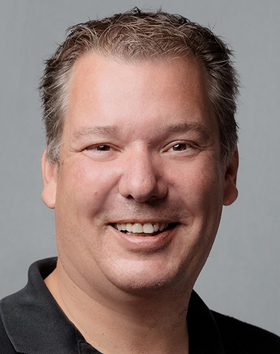
Michael
Robrock
|
|
across
European and other international
country-code domains remained robust,
driven by companies prioritizing local
trust, regulation, and cultural
relevance. While .com continues to set
the benchmark for global premium
domains, 2025 clearly showed that the
aftermarket is increasingly diverse and
global in nature
Another
important development was the continued
success of SedoMLS, our global
domain distribution network with
registrars and registries. In 2025,
SedoMLS delivered strong growth both in number
of transactions and total sales volume,
demonstrating that deep aftermarket
integration at the registrar level
significantly improves liquidity and
access to end users.
In the
broader RSoC ecosystem, trust, security,
and compliance remained critical topics.
At the same time, traffic monetization
continued to evolve. With SedoTMP,
our traffic monetization solution, we
further strengthened our position within
the monetization industry. Supported by
a strong affiliate partner network,
SedoTMP once again demonstrated that
high-quality, compliant monetization
remains an important pillar for domain
owners and a meaningful signal of
underlying domain value.
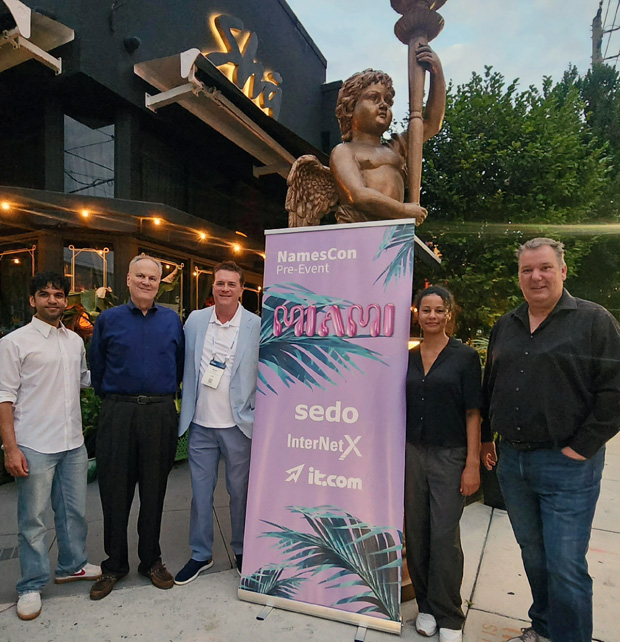
For
many years, Sedo and sister company
InterNet X have sponsored a party
the night before the annual NamesCon
Global conference. They did that again
in Miami last November, ,along with new
co-sponsor, .it.com Domains. Left
to right above at the Sha Wynwood
restaurant are Chaitanya Ahuja
(from Sedo and InterNetX's parent company IONOS
), Sedo's Dave Evanson, Brad
Lemire, Zoe Schulz and CEO Michael
Robrock.
Looking
ahead to 2026, the domain industry will
continue to shift toward quality,
relevance, and trust. As AI-driven
search, assistants, and content creation
become more deeply embedded in everyday
digital life, domains will play an
increasingly important role as stable
brand anchors and trust signals in an
otherwise highly dynamic environment.
For
the aftermarket, we expect further
opportunities driven by renewed buyer
confidence and ongoing portfolio
optimization. More companies are
reassessing their domain holdings, which
will bring additional high-quality
inventory to the market. At the same time,
buyers are becoming more selective,
focusing on domains that clearly support
brand strategy, visibility, and
credibility. This environment favors
established marketplaces like Sedo that
combine global reach, liquidity, and
expertise.
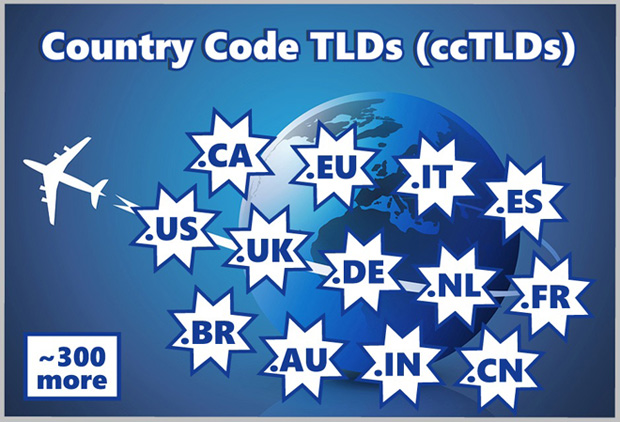
ccTLDs
are expected to remain a key growth area
in 2026, particularly as localization,
regulation, and regional branding continue
to gain importance worldwide. While .com
will remain dominant at the very top end,
demand across international TLDs will
continue to diversify, reflecting the
global nature of digital business.
Challenges
remain, particularly around pricing
expectations, education, and cybersecurity.
Regulatory requirements and fraud
prevention will continue to demand
attention and investment across the
ecosystem. However, these challenges also
create opportunities for trusted platforms
to differentiate themselves through secure
processes, transparency, and compliance.
In
traffic monetization, efficiency and
quality will matter more than scale. With
SedoTMP, we will continue to focus on
sustainable, high-performing monetization
in close cooperation with our affiliate
partners, reinforcing its strong position
within the monetization industry.
Overall,
2026 will reward long-term thinking and
professionalization. For Sedo, this
means continuing to strengthen our
international marketplace, expanding our
partner networks such as SedoMLS, and
supporting buyers, sellers, and partners
in an industry that is becoming more
strategic, more global, and more relevant
than ever.
|
Munir
Badr
Founder &
Curator, Domain Days
Dubai
Founder & CEO, AEServer.com
Munir
Badr is an entrepreneur, builder, and connector with nearly
two decades of experience in the domain, hosting, and cloud industry
across the Middle East, Africa, and beyond. In 2005 he founded AEserver
from his bedroom in Dubai and what started as a small idea has since
grown into one of the largest privately-owned .ae domain
registrars and hosting providers in the UAE.
He is also the Founder & Curator of Domain Days Dubai, the
region’s premier industry event that brings together registries,
registrars, investors, startups, and digital professionals from across
the world. The event has quickly become a hub for collaboration,
knowledge-sharing, and new opportunities in the global domain and
digital assets space.
|
In 2025, the strongest
shift I felt was how “place” came back into the
domain conversation, even in a world that works remotely.
Global business is still global, but teams are relocating,
founders are setting up in new hubs, and customers want
immediate trust signals in the markets where they operate. In
the GCC, especially the UAE, we saw that clearly. When there
is an influx of talent and new company formation, you see the
same pattern repeat: businesses want to look local,
sell local, hire local, and comply locally.
That continued to lift strong regional ccTLDs like .ae
because a good local domain acts like a digital trade license.
It tells customers, partners, and banks that you are present
and serious.
From the events
and community side, 2025 was also a big year for
“real-world” momentum. Domain Days Dubai and
similar gatherings are no longer only about networking. They
are about opening markets, building distribution partnerships,
and aligning global players with regional realities such as
registry policy, compliance expectations, and buyer behavior.
More international companies treated MEA as a priority
growth region, not a “later” market, and that changed
the quality of conversations and the number of meaningful
collaborations that came out of the region. |
Munir
Badr |
|
Another 2025 trend was the
industry getting more disciplined about trust and abuse.
Customers care about security and verification, and regulators
and registries are raising the bar. That is healthy, but it
also forces operators to get better at balancing speed and
compliance.
Our
response was straightforward: we leaned harder into
“local-first, globally connected.” At AEserver.com we
kept simplifying how SMEs and startups get online in the UAE
while reinforcing account security, compliance handling, and
clear customer guidance. Through Domain Days Dubai, we
invested in bringing more global stakeholders into the region
and creating a platform where registries, registrars,
investors, and service providers can do business with context,
not just headlines.
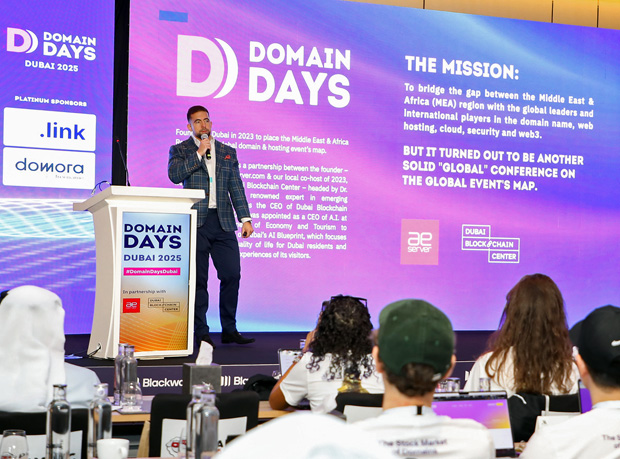
Above:
Munir Badr welcoming attendees to the 2025 edition of
Domain Days Dubai in October.
For 2026, I see three
forces shaping our category and the industry overall:
continued growth of regional digital hubs, rising expectations
around trust and verification, and the industry preparing
seriously for the upcoming ICANN new gTLD round.
On the regional side, the UAE and
the wider GCC are still attracting founders, remote teams, and
capital. That keeps translating into new brands and new online
projects, and it creates a steady tailwind for ccTLDs like .ae.
The reason is practical. When a company is trying to win
customers in a specific market, a local domain is one of
the simplest ways to shorten the trust journey. I expect
the demand for premium local names to stay strong, especially
in categories like real estate, fintech, healthcare,
hospitality, and B2B services.
Industry-wide, the lead-up to the
2026 ICANN new gTLD round will be a major focus. For many
players, it will be a once-in-a-decade strategic moment.
There will be opportunity for new strings, brand TLDs, city or
community ideas, and for operators who can execute with
patience and clarity. It will also create a new wave of
partnerships, advisory work, and services around applications,
naming strategy, rights protection, registry operations, and
go-to-market planning. At the same time, it will raise
familiar questions: how to build real usage, how to price
sustainably, and how to keep the namespace clean.
The biggest challenge in 2026
will be doing growth without compromising trust. Customers
want instant activation, but registries and regulators expect
stronger checks, faster abuse handling, and better
accountability. Operators who can make compliance feel simple,
not painful, will win.
Our plan is to keep building the
bridge between MEA and the global domain community through
Domain Days Dubai, while strengthening AEserver.com’s role
as a trusted local platform. We want to make it easier for
businesses to establish a credible presence in the UAE, and we
also want to help regional stakeholders participate in the
next chapter of the domain industry as the new gTLD round
approaches. For me, 2026 is about turning momentum into
long-term infrastructure, both for our customers and for
the region |
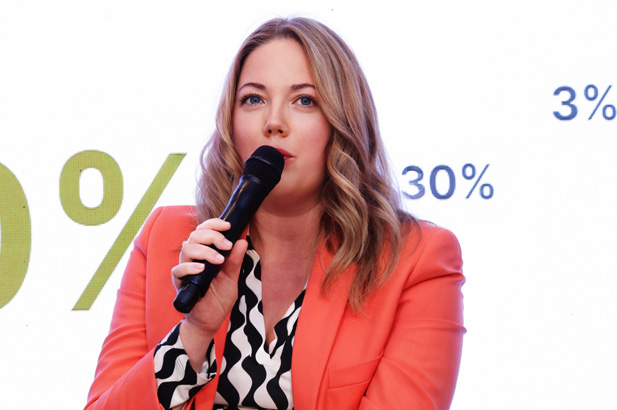
Natalija
Japerte
Business
Manager, it.com
Domains
Business Development Manager, Intis
Telecom
Founder & CEO, International
Women’s Alliance
(IWA)
Natalija Japerte
works across the domain and telecom
ecosystem with a focus on business
development, digital visibility, and
entrepreneurship. She is the founder of IWA,
an independent initiative supporting
women entrepreneurs in building
confident online presence through
domains and digital tools.
|
In 2025, one of the most
significant shifts in the domain industry was the growing
recognition of domains as tools of identity, credibility,
and digital visibility rather than purely technical
assets. Entrepreneurs, creators, and small businesses
increasingly view domains as the foundation of their online
presence and brand narrative.
Another important trend was the
closer integration of domains with content, social platforms,
and community-led initiatives. Short-form video, personal
branding, and direct audience engagement have influenced how
domains are discovered, positioned, and used, signaling a move
toward more holistic digital ecosystems.
At the same
time, education emerged as a critical factor. Many new
users entering the digital economy are non-technical and
require accessible, human-centered guidance. |

Natalija
Japerte |
|
In response, my focus has been on
initiatives that improve understanding and confidence in using
domains—particularly for entrepreneurs and women-led
businesses—so they can translate ownership into real digital
value.
Looking ahead to 2026, I
see strong opportunities for the domain industry to become
more inclusive, education-driven, and user-focused. As
digital entrepreneurship continues to grow, there is
increasing demand for simplicity, clarity, and practical use
cases that connect domains with trust, visibility, and
long-term growth.
A key challenge will be differentiation
in an increasingly crowded digital environment. This
places greater importance on transparency, meaningful
engagement, and storytelling that demonstrates how domains are
actively used, not just registered.
My focus in 2026 is on building
bridges between technology, entrepreneurship, and community—supporting
initiatives that help users move from domain ownership to
confident usage. I believe that lowering entry barriers and
amplifying diverse voices will be essential to the
industry’s sustainable development. |
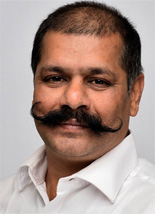
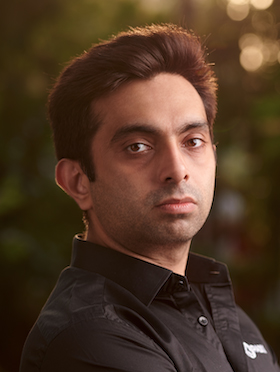
Sandeep
Ramchandani
CEO,
Radix
Sandeep
Ramchandani is a respected authority
in the global domain and web hosting
industry, boasting over two decades of
experience. As an early member of the
Directi Group, he played a pivotal role
in leading LogicBoxes to becoming the
leading player in the domain name
automation space. With a rich history as
a pioneer in the domain industry,
Sandeep has held diverse leadership
positions encompassing strategy, policy,
business development and product
management. Today, he spearheads
Radix, the world's largest new
domain registry, boasting an impressive
portfolio of ten new domain extensions.
|
Sandeep
Ramchandani |
By
far the most significant trend in 2025
was a clear re-acceleration in growth
across the domains industry, marking a
notable break from the slower, more
mature dynamics of the previous few
years. After three consecutive years of
year-on-year decline in new
registrations, even .com showed
renewed momentum, returning to growth in
2025 with approximately 11%
growth. This was an important signal
that demand for digital identity
remains resilient, even as the
broader internet ecosystem continues to
evolve.
At the same
time, the shift away from a
single-extension mindset continued and,
in many ways, accelerated. While .com
rebounded, non-.com TLDs, especially
new gTLDs, grew at a meaningfully faster
rate. This reinforced a longer-term
trend observed over several years:
businesses and creators are increasingly
open to alternatives that better express
intent, category, or brand identity,
rather than defaulting to a single
legacy option.
Two broader forces likely amplified this
dynamic in 2025. First, the rapid rise
of AI-led business creation
significantly increased the pace at
|
|
which
new projects, storefronts, and digital
brands came online. Second, growing
concerns around trust, authenticity, and
differentiation pushed many users toward
domains that are more descriptive and
purpose-built. Together, these forces
expanded the overall addressable market
for domains while also redistributing
growth across a wider range of
extensions.
From a
business perspective, the key question
is how durable this growth will be
over time? Encouragingly, the
rebound seen in 2025 does not appear to
have been driven by short-term
speculation. Much of the growth was
usage-led, with stronger signals around
active websites, real businesses, and
longer-term intent. As a result, the
industry entered 2026 with a healthier
balance of volume growth and quality
demand, reinforcing the role of domains
as the foundational layer of digital
identity in an increasingly platform-
and AI-driven internet.
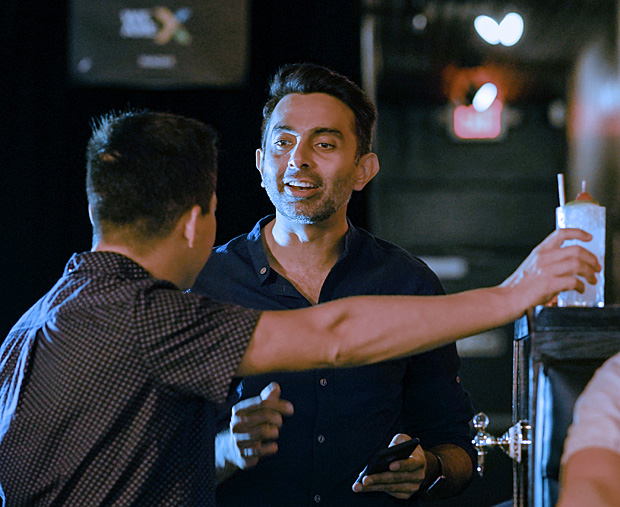
Sandeep
chattering with NamesCon Founder Richard
Lau at Radix's 10th anniversary
party held during the 2022
NamesCon Global conference in Austin,
Texas.
Looking
ahead to 2026, the industry
stands at an important inflection point.
As a participant that was born out of
the first round of new gTLDs, we
are naturally following the upcoming
next round very closely. A fresh
application window will inevitably bring
renewed attention to the category, and
in our view, that attention alone is
likely to provide a lift to the broader
new gTLD ecosystem. As conversations,
analysis, and media coverage progress
through the various stages of the
program, focus will gradually shift away
from a narrow set of traditional
extensions toward a wider set of
naming possibilities.
At the same
time, we are very conscious that the
largest opportunity in front of us does
not necessarily lie in new strings, but
in fully unlocking the potential of
the ones that already exist. Across
the industry, many new gTLDs are still
early in their lifecycle, and in several
cases, adoption has only scratched the
surface of what is possible. We continue
to see significant headroom in
extensions such as .store, .tech,
.online, .site, and .fun, particularly
as digital creation accelerates and
naming conventions evolve.
The
opportunity in 2026, therefore, is twofold.
First, the next round can act as a catalyst,
re-energizing awareness and legitimizing
the broader new gTLD category in the
minds of businesses, creators, and
platforms. Second, incumbents who have
already built distribution, brand
recognition, and operational scale are
well positioned to compound growth
by deepening usage, improving retention,
and embedding their extensions more
tightly into modern creation workflows.
The
challenge, however, will be execution
discipline. In a world with
increasing choice, success will favor
operators that focus less on expansion
for its own sake and more on clarity of
purpose, brand equity, demand
generation, and long-term customer
value. Those that do so will be best
placed to benefit both from the next
round and from the continued maturation
of the category as a whole.
|
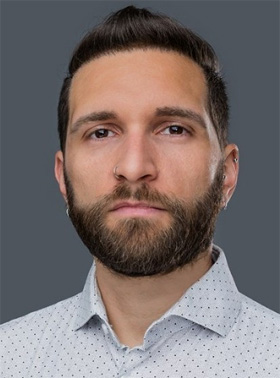
Simone
Catania
Global
Content & Communications Manager, InterNetX
Simone
Catania entered the
Internet industry to help launch new gTLDs .srl and .ltda. His
marketing an multi-lingual communications skills quickly caught the
eye of InterNetX who brought him onboard in 2017 as their
Content Marketing Manager. In 2021 Simone was promoted to his current
position as Global Content & Communication Manager. In that
role he has produced some of the most comprehensive educational
articles and resources the industry
has ever seen, including InterNetX's invaluable annual Global
Domain Name Report (produced in conjunction with
Sedo).
|
From where I sit at InterNetX
(a European registrar within the IONOS Group),
2025 was the year domains stopped being “just
registrations.” They started behaving like critical
infrastructure — trust-driven, compliance-shaped,
security-heavy, and increasingly connected to new models of
digital ownership.
Highlight #1: RDAP became real life.
ICANN sunset the legacy WHOIS service on 28 January
2025, and RDAP
became the
standard for gTLD registration data. That forced registrars
and resellers to revisit tooling, access patterns, and data
consistency. We treated RDAP as partner experience: stability
first, documentation you can actually build from, and
integrations that don’t require a platform rewrite.
Highlight #2: Trust
moved from principle to process.
The DNS
Abuse Amendments
(effective 5 April 2024) set a clearer
contractual baseline, and 2025 was when the industry truly ran
it at scale. The focus for us is precision: act fast when
there’s clear harm, stay transparent with partners, and
design guardrails that avoid punishing legitimate customers.
|
Simone
Catania |
|
Highlight #3: NIS2 turned
into day-to-day operations.
In Europe, NIS2’s
pushed registration data quality being a policy conversation
and becoming a resilience control with verification discipline
and structured access processes now part of the cost of doing
business. Security and compliance are built-in capabilities
now.
Highlight #4: Domains became real-world asset on the blockchain.
Through our work with D3 and the Doma Protocol, the idea of
DNS-aware tokenization moved from theory into roadmap, framing
domains as interoperable “domain-as-asset” infrastructure.
We launched 2to3.xyz
to make the practical implications clear for registrars,
resellers, and investors.
Highlight #5: And
to cap it off, we brought the community together at the InterNetX
Domain Summit
in Frankfurt (June 25–26)
— including recording a live “Inside
IONOS”
episode with domain experts across disciplines, the perfect
format for a year defined by big structural shifts.
|
If
2025 was about “new rules,” then 2026 is
about a new playing field. Domains will matter
more than ever. They move from their role of “where
your website lives,” and become a core trust
and identity layer in an AI-shaped internet.
As AI agents increasingly discover, summarize, and
cite information on our behalf, the domain becomes a
primary signal for provenance, authority, and brand
authenticity. That raises the bar for clear ownership,
consistent DNS hygiene, and robust security.
A
major opportunity on the horizon is the next ICANN
new gTLD round, expected in April 2026. It’s a
pivotal moment for the domain industry: partnerships
are forming to prepare for the application window, and
many players are gearing up to enter the space—or to
build on the momentum and lessons learned from the
2012 round. The energy is real, and the stakes are
high. |
|
To
help the industry navigate this change in 2026, we’re
publishing the Global
Domain Report
2026 at InterNetX together with Sedo. The report gives domain experts
a clear overview of the most important trends and insights
across both the primary market and the aftermarket. It’s a
project we produce for the industry—bringing together
knowledge and data on domain registration, security,
technology developments, and domain sales—so you can make
better decisions and run a successful domain business in 2026! |
Todd
Han
Founder,
Dynadot
Todd
Han's remarkable journey through the
domain industry when he started domain
registrar Dynadot up from a small
home office back in 2002. Todd ran the
company single handedly for three years
but from those modest beginnings he has
since grown Dynadot into a thriving
business with over 130 team members and
more than 100,000 customers around the
world. We profiled Todd in a September
2023 Cover
Story.
|

Todd
Han |
Domains are
global, but domain checkout has
historically been constrained by local
banking rails and regional payment
friction. In 2025, we expanded crypto
settlement in a way that actually
changes outcomes in practice: true
wallet-to-wallet Bitcoin and USDC
payments, with wallet-to-wallet
payouts as well. This reduces failed
payments, speeds up cross-border
transactions, and makes buying domains
feel as modern and borderless as the
assets themselves.
On pricing,
we doubled down on efficiency and
fairness. We offered payment discounts
up to 3% for customers paying via crypto
and direct debit, and we made our best
SuperBulk pricing available to all
customers, not just high-volume
accounts.
Looking
ahead to 2026, we plan to keep
improving our AI-powered appraisal
tool, which remains free for anyone
to use. Appraisal will always be more
art than science, but a strong model can
still be a valuable data point—helping
investors and end users calibrate price,
compare options, and make more confident
decisions.
|
|
We also
focused on making domain transactions
feel global in practice, not just in
theory. We’ve added a payment link to every
domain inside the Dynadot control panel—so
a seller can send one simple link to a
buyer, and the buyer can complete the
purchase using 15 supported currencies
and over 20 payment types, including
crypto, Alipay, credit card, Payoneer,
and PayPal. This improves close rates
and makes cross-border deals
dramatically easier.
And we’ll
continue investing in NameClub
as a next-generation aftermarket
experience—built around better
discovery, higher conversion, and better
outcomes for both buyers and sellers.
|
You've
heard from Corporate Executives.
See what Domain Investors and Domain
Brokers have to say on these pages:
Domain
Investors
~ Domain
Brokers
|
|
|